
Specialty Care
TMD and Sleep Apnoea Treatment in Vile Parle East, Mumbai.
Jaw pain that gets worse through the day. A clicking or popping sound when you open your mouth or chew. Waking up with headaches or sore facial muscles that weren't there when you went to sleep. A partner who mentions your snoring, or a dentist who notices that your teeth are wearing down faster than they should.
These symptoms often don't get connected to each other, and they don't always get connected to dentistry either. Jaw pain gets blamed on stress. Headaches become a general medicine problem. Snoring is treated as an inconvenience rather than a clinical issue. But the jaw joint, the bite, and the airway are connected anatomically, and a multispecialty dental clinic is often one of the most practical starting points for assessment and initial management of all of them.
At Designer Smiles in Vile Parle East, Dr. Kavita Bhat Kumar and the team assess and manage these conditions as part of the clinic's broader restorative and general dentistry care.
- Duration
- Varies by treatment, from a single splint fitting to ongoing management
- Sessions
- Assessment, then treatment and review appointments as needed
- Price
- Personalized after consultation and assessment
01 / TMD
What Is Temporomandibular Disorder (TMD)?
Temporomandibular disorder, commonly called TMD or sometimes referred to by the joint itself as TMJ, is a group of conditions affecting the temporomandibular joint, the hinge joint connecting the lower jaw to the skull, located just in front of each ear. It's one of the most complex joints in the body, capable of opening, closing, and moving side to side, and used every time you chew, speak, or swallow.
TMD covers a range of presentations: pain in the joint or the muscles surrounding it, restricted jaw opening, clicking or popping sounds during jaw movement, locking of the jaw (whether open or closed), and referred pain to the head, neck, and ears. The causes are equally varied: an uneven bite, teeth grinding or clenching (bruxism), trauma to the jaw, arthritis affecting the joint, or a combination of these.
02 / Connection
What Is the Dental Connection to Sleep Apnoea and Snoring?
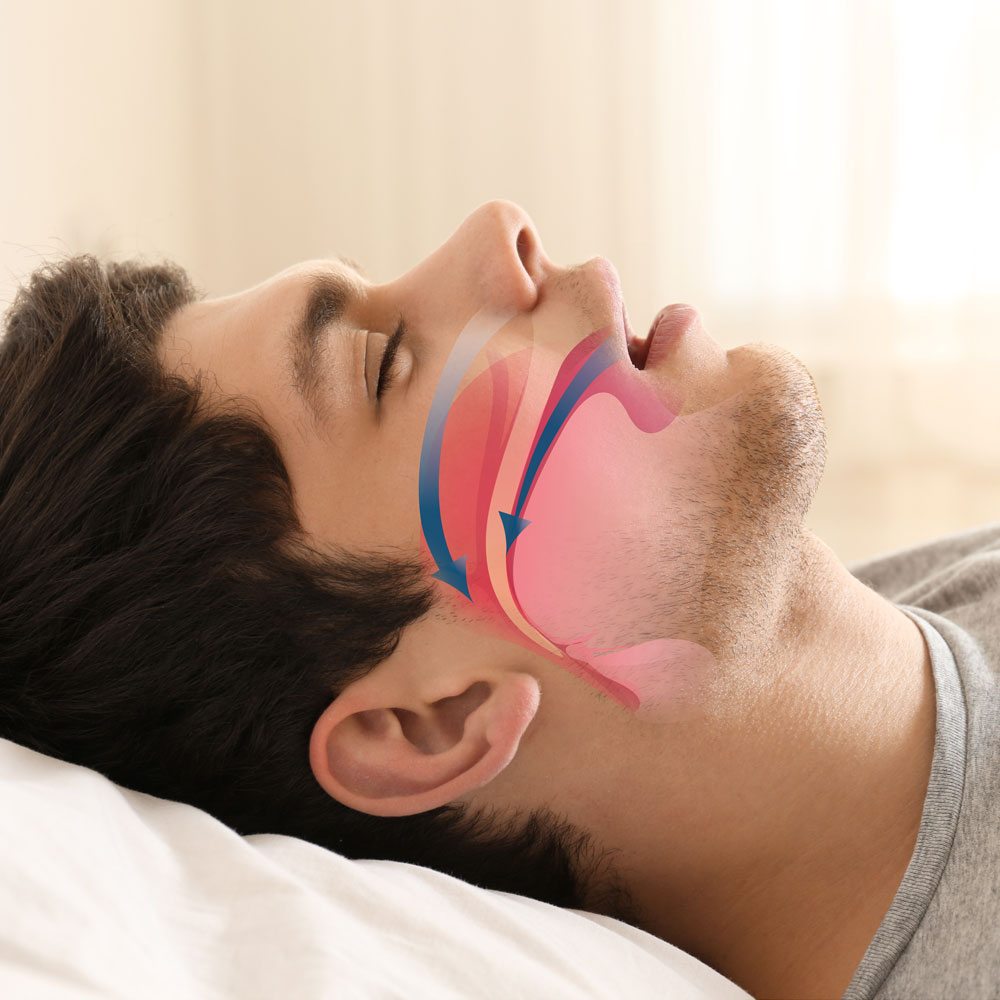
Obstructive sleep apnoea is a condition where the upper airway narrows or collapses repeatedly during sleep, causing interrupted breathing, disrupted sleep quality, and often significant snoring. While its management involves multiple healthcare disciplines including sleep physicians and ENT specialists, dentistry has a recognized and well-established role in treatment.
Oral appliance therapy, using a custom-fitted device that repositions the lower jaw slightly forward during sleep to keep the airway open, is a clinically validated management approach for mild to moderate obstructive sleep apnoea. It is simpler to use than CPAP (continuous positive airway pressure) for many patients and is particularly suited to those who find CPAP equipment uncomfortable or impractical.
The connection to TMD is anatomical: the position of the jaw affects both the bite and the airway. In some patients, jaw position is a contributing factor to both TMD symptoms and breathing difficulties during sleep, which is why assessment and management at a dental clinic can address both.
03 / Symptoms
Common Symptoms of TMD
Pain or tenderness in the jaw joint, the muscles of the cheek or temple, or around the ear. A clicking, popping, or grating sound when opening or closing the mouth. Difficulty opening the mouth fully, or jaw locking in an open or closed position. Frequent headaches, particularly on waking. Facial muscle soreness or fatigue. Earache or a blocked-ear sensation without any identifiable ear problem. Teeth that are visibly worn, flattened, or chipped in ways not explained by decay. A partner or family member reporting loud snoring or observed pauses in breathing during sleep.
Not all of these together are needed for a TMD assessment to be worthwhile. Any one or two of them, if persistent, is worth discussing at a consultation.
04 / Management
How TMD and Sleep Apnoea Are Assessed and Managed at Designer Smiles
Clinical Assessment. A thorough examination of the jaw joint, bite, and teeth, alongside a review of symptoms, guides the understanding of what's happening and what the likely contributing factors are. Digital X-rays help evaluate the joint and the teeth.
Night Guard or Occlusal Splint. For patients whose TMD symptoms are linked to teeth grinding or clenching (bruxism), a custom-fitted night guard or occlusal splint is often the first line of management. This is a hard or soft appliance worn during sleep that protects the teeth from grinding contact and takes pressure off the jaw joint and surrounding muscles. It does not cure the underlying cause of grinding, but it significantly reduces the wear, pain, and morning soreness associated with it.
Bite Assessment and Adjustment. Where an uneven bite is contributing to TMD symptoms, identifying and correcting the specific contact points can reduce the strain on the jaw joint. Bite adjustment at the dental level involves reshaping or adjusting the surfaces that make contact when the teeth come together.
Oral Appliance for Sleep Apnoea. For patients with mild to moderate obstructive sleep apnoea or significant snoring, a mandibular advancement device, a custom-fitted oral appliance worn during sleep that positions the lower jaw slightly forward, can reduce airway obstruction. For suspected or confirmed obstructive sleep apnoea, a sleep study or referral to a sleep physician for diagnosis is appropriate before dental appliance therapy begins, to ensure the severity of the condition is properly assessed and the right treatment pathway is chosen.
Referral for Complex Cases. Severe TMD involving significant joint degeneration, or severe sleep apnoea requiring CPAP or surgical management, falls outside what dental management alone can address. Where assessment indicates a case of this complexity, an honest referral to an appropriate specialist is part of the care pathway at Designer Smiles.
05 / Your Visit
Your Experience at Designer Smiles
A TMD or sleep apnoea assessment is a thorough, unhurried conversation as much as a clinical examination. At Designer Smiles, every visit is carried out in a private operatory with clear communication throughout, relaxing music in the background, and the signature warm towel and neck and face massage after the appointment. For patients who are already in jaw pain or dealing with poor sleep, that level of calm and care in the environment is not a trivial thing.
Why Designer Smiles
Why patients in Vile Parle, Andheri, and across Mumbai choose Designer Smiles.
- 01A thorough starting point. Many patients with TMD symptoms have been managing them in isolation, taking pain relief for headaches without investigating their source, or tolerating jaw clicking without knowing it can be assessed and managed. Designer Smiles offers a structured assessment that connects these symptoms to their likely dental causes and outlines a practical management path.
- 0230+ years of clinical experience. Dr. Kavita Bhat Kumar has been treating patients in Vile Parle East since 1995. The experience accumulated across decades of restorative and general dental practice supports a broad and informed approach to bite-related and jaw-related conditions.
- 03ISO 9001:2015 Certified. Every procedure at Designer Smiles is carried out in ISO 9001:2015 certified conditions covering hygiene, sterilization, and clinical consistency.
- 04Award-winning care. Dr. Kavita received the Famdent Excellence in Dentistry Award (Highly Commended, Clinic of the Year 2021) and has held office within the Indian Dental Association, the body that upholds professional and ethical standards for dentists nationwide.
- 05Easy to reach from Andheri, Santacruz, and the western suburbs. The clinic is in Vile Parle East, close to Vile Parle railway station on the Western Line.
FAQ
Common questions about tmd & sleep apnoea.
Related
Treatments often considered alongside TMD & Sleep Apnoea.
Book Your Consultation
Jaw Pain, Clicking, or Snoring That Won't Go Away?
A consultation is the right first step to understand what's happening and what the options are.