Preventive & Family Care
Children's Dentistry in Vile Parle East, Mumbai.
The two most common reasons parents delay their child's first dental visit are connected: they assume baby teeth don't matter much since they're going to fall out anyway, and they're worried the experience will be frightening for the child. Both of these deserve a straight answer rather than reassurance.
Baby teeth matter significantly, and their health directly shapes how the adult teeth that follow will come through. A child whose early dental visits go well, who learns from the start that a check-up is a calm, predictable, and unhurried experience, is a child who grows into an adult without dental anxiety. The opposite is also true. The experience at the first few visits lasts.
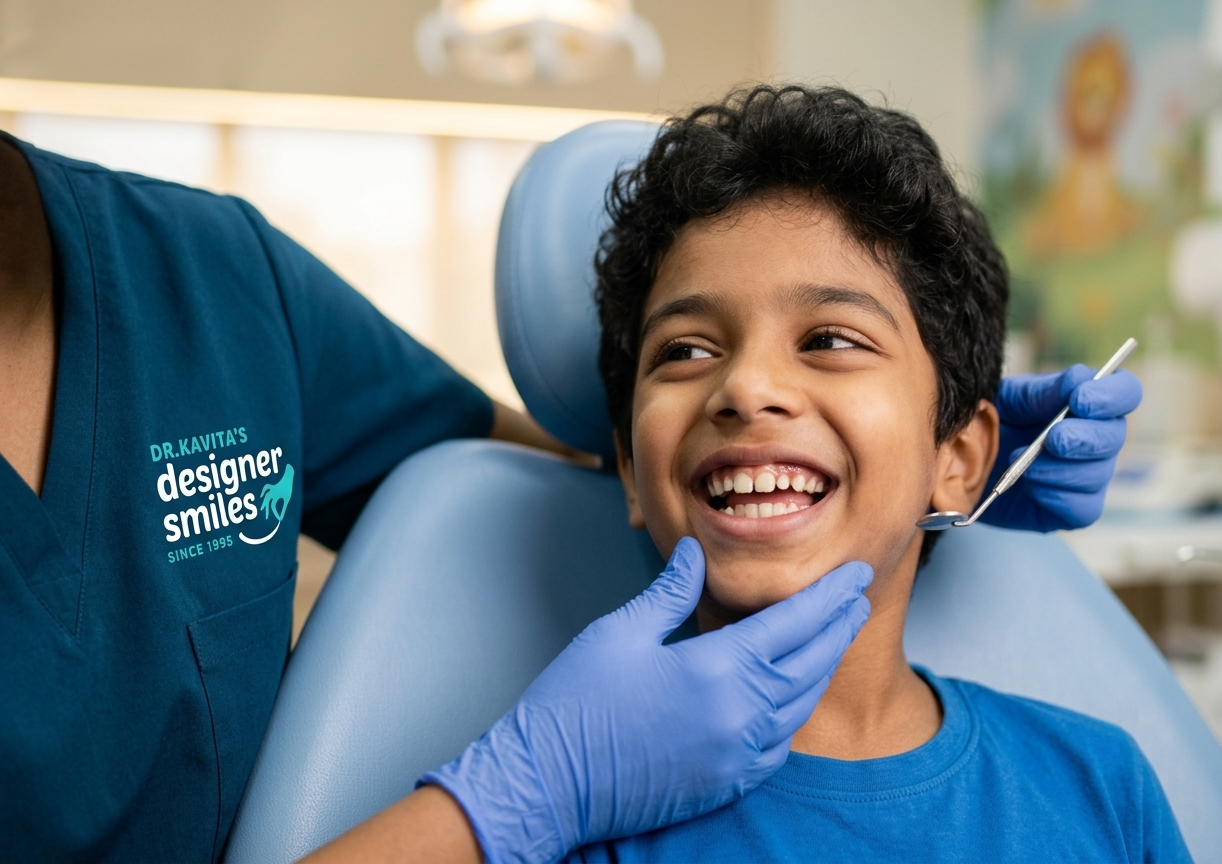
At Designer Smiles in Vile Parle East, children's dental care is handled by our specialist pedodontist, a dentist with dedicated postgraduate training specifically in treating younger patients, not a general dentist seeing children as part of a broader practice. The environment, the pace, and the communication are all adapted for children from the start of every visit.
- Ages treated
- From first tooth appearance through to adolescence
- Specialist
- Handled by our specialist pedodontist
- Laser-assisted procedures
- Available for suitable paediatric cases
01 / Why It Matters
Why Do Baby Teeth Matter If They're Going to Fall Out?
This is the question behind most delayed first dental visits, and it deserves a real answer.
Baby teeth hold the space for adult teeth. Each primary tooth acts as a natural space maintainer, reserving the exact gap that the adult tooth behind it needs to erupt into correctly. When a baby tooth is lost early due to decay or infection, before the adult tooth is ready to come through, the surrounding teeth drift toward the gap. The adult tooth then has less space to erupt into, producing crowding or ectopic eruption that often requires orthodontic correction later.
Baby teeth are needed for chewing and speech. A child who loses teeth too early, or who has significant decay affecting function, may have difficulty eating adequately and may develop speech patterns that are harder to correct the longer they persist.
Infected baby teeth can affect developing adult teeth. The adult tooth is developing directly beneath the baby tooth. A significant untreated infection in a baby tooth can damage the developing adult tooth forming below it, an outcome that is entirely preventable.
The habit of dental care starts here. A child who attends dental visits regularly from early childhood treats it as a normal part of life. The anxiety that makes adults avoid the dentist almost always traces back to early negative experiences, or to never having developed a dental routine in childhood at all.
02 / First Visit
What Age Should a Child First See a Dentist?
The Indian Dental Association recommends a child's first dental visit within six months of the first tooth appearing, or by the age of one, whichever comes first. This visit is primarily about establishing the relationship, examining the first teeth and eruption pattern, and giving parents practical guidance on cleaning, diet, and what to expect as more teeth come through. It is not a comprehensive treatment session.
For children who have been brought in a little later than this, there is no blame involved. The useful starting point is wherever the child currently is, a proper assessment from that point and a plan for monitoring their development from here.
03 / What We Cover
Treatments and Care for Children at Designer Smiles
Routine check-ups and cleaning. The same six-monthly dental check-up standard applied to adult patients applies to children, paced and communicated in a way suited to the age of the child.
Cavity prevention and early decay treatment. Children's teeth are more susceptible to decay than adult teeth, the enamel is thinner and dietary habits at this age are harder to control consistently. Catching and treating decay early, while it's still a small filling rather than a pulp treatment or extraction, is the central goal of regular paediatric dental visits.
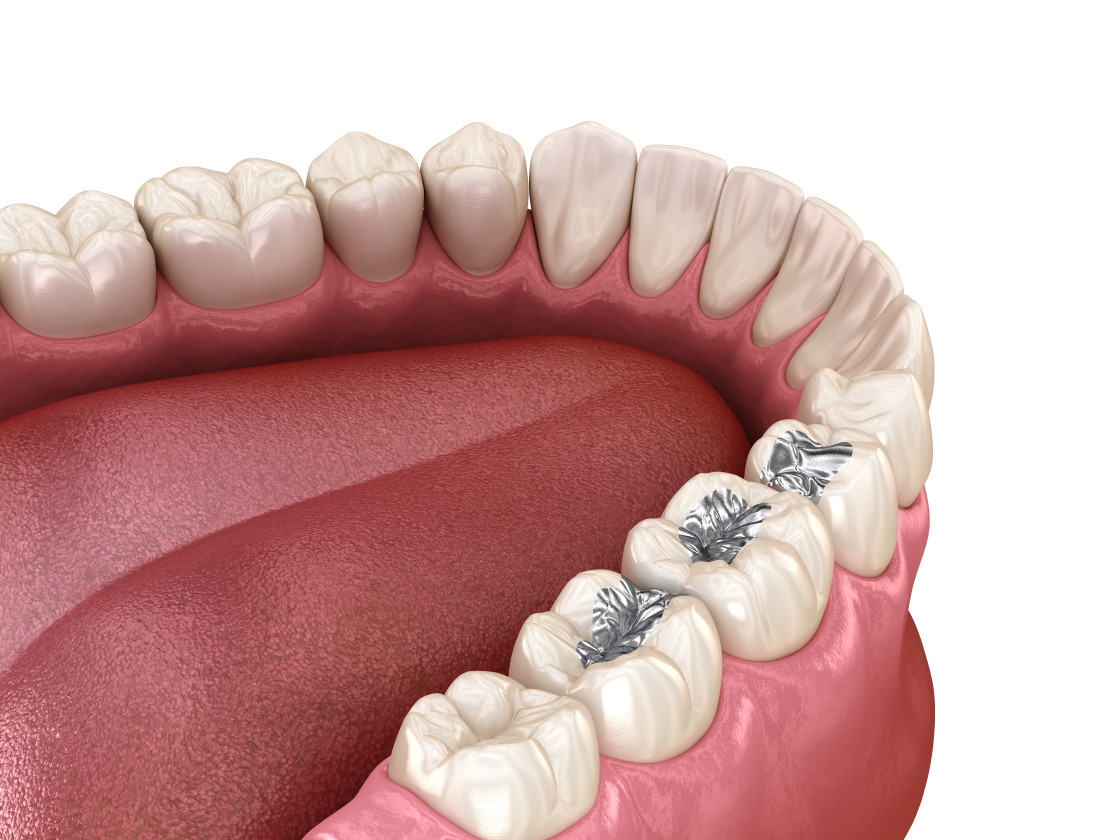
Preventive sealants. Applied to newly erupted permanent molars soon after they come through, to protect the deep grooves where decay starts most often. This is one of the most effective and cost-efficient preventive steps available in children's dentistry.
Fluoride treatments. Professional fluoride application at appropriate intervals strengthens developing enamel and reduces the risk of cavities.
Pulp therapy for baby teeth. When decay in a baby tooth reaches the pulp (the nerve), a pulp treatment, similar in principle to a root canal but designed specifically for primary teeth, can save the tooth rather than requiring extraction. Preserving the baby tooth keeps the space for the adult tooth coming behind it.
Space maintainers. When a baby tooth is lost earlier than expected, a custom-fitted space maintainer holds the gap open until the adult tooth is ready to erupt, preventing the drift that leads to crowding and orthodontic issues. Most parents aren't aware this option exists until it's mentioned at a paediatric dental assessment.
Orthodontic assessment. Around age seven for most children, once the first permanent molars and incisors have come through, an orthodontic assessment can identify developing alignment or jaw growth issues early enough to address them during the window when intervention is most effective.
Habit counselling. Prolonged thumb sucking, dummy use beyond the age of two or three, and nail-biting or lip-biting habits all affect how the teeth and jaw develop over time. Our pedodontist provides practical, age-appropriate guidance for parents on managing these habits.
Laser-assisted procedures for children. Laser technique for soft tissue procedures such as frenectomies (where a tight labial or lingual frenum is affecting feeding or speech) is available for children at Designer Smiles, a faster, less traumatic approach than conventional surgical methods for these cases.
04 / Anxiety
What If My Child Is Scared of the Dentist?
Dental anxiety in children is a clinical issue, not a behaviour problem, and it's one of the areas where specialist paediatric training makes the most practical difference. Our pedodontist uses age-appropriate communication, a tell-show-do approach (describing what's about to happen, showing the child the instrument, then doing it), a genuinely unhurried pace, and positive reinforcement to build trust visit by visit rather than expecting cooperation from a child who hasn't yet learned to trust the environment.
At Designer Smiles, the same private operatory, relaxing music, and unhurried pace that applies to adult treatment applies equally to every child's visit. There are no open floors, no overheard adult treatments, and no unnecessary rushed movements. For children who have had a frightening dental experience elsewhere and are particularly anxious, mention this when booking: the first visit for these children may simply be a tour of the clinic, a gentle look with no treatment, specifically to begin rebuilding a positive association before anything clinical is attempted.
Why Designer Smiles
Why patients in Vile Parle, Andheri, and across Mumbai choose Designer Smiles.
- 01A specialist pedodontist, not a general dentist treating children. Our specialist pedodontist has dedicated postgraduate training in paediatric dental care. The clinical judgment, communication techniques, and treatment adaptations for children require specific training that goes beyond general dental qualifications.
- 02Laser-assisted procedures available for suitable paediatric cases. Soft tissue procedures for children, including frenectomies that affect feeding or speech, can be done with laser technique at Designer Smiles, producing less bleeding, less trauma, and often no sutures compared to conventional approaches for the same procedure.
- 03The wider multispecialty team where it's needed. When a paediatric assessment identifies the need for orthodontic intervention, or when a child's treatment becomes more complex, the relevant specialist within the same practice is available. No referral to a different clinic.
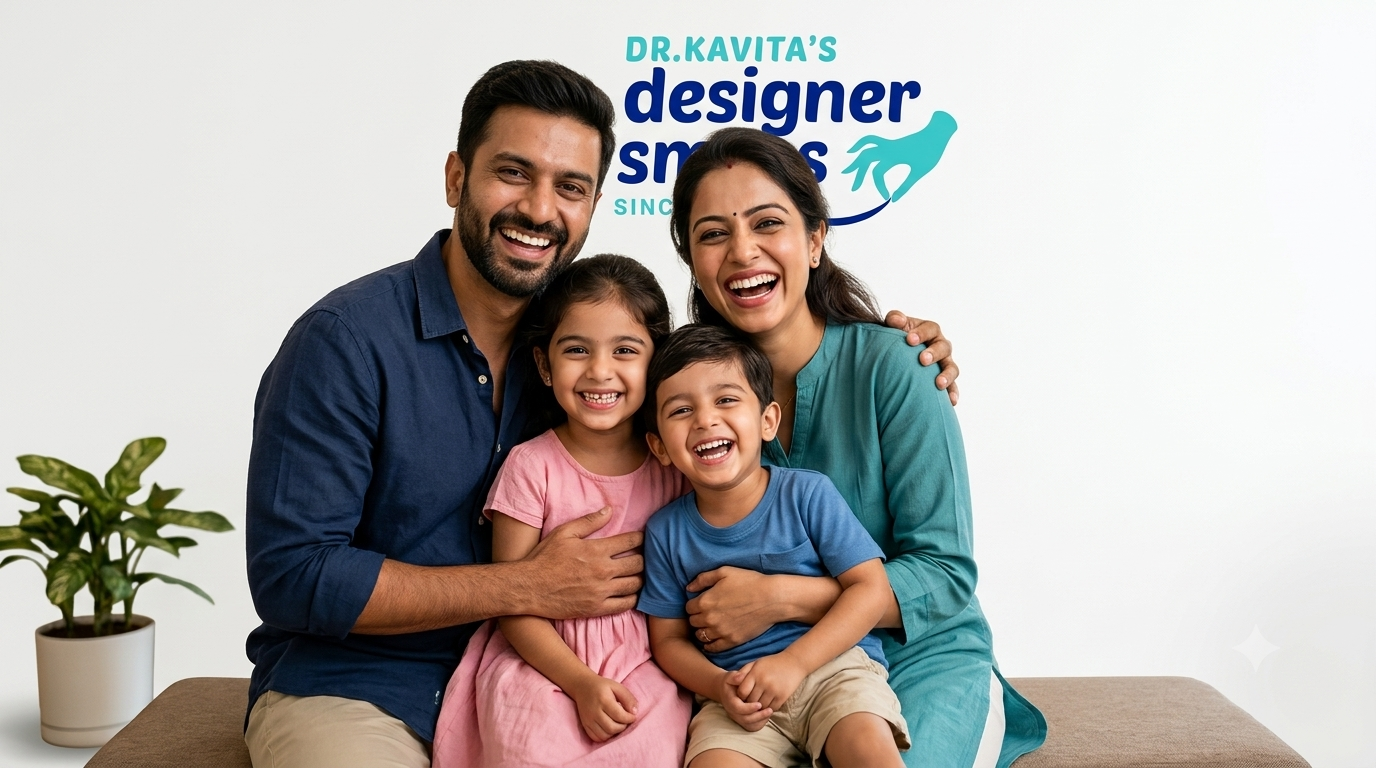
- 04Part of a genuine family dental home. Children treated here from early childhood grow into the adult patient base as they age. The dental record, the relationship, and the continuity persist.
- 0530+ years of clinical experience in Vile Parle East. Dr. Kavita Bhat Kumar has been treating patients and their families in Vile Parle East since 1995. ISO 9001:2015 certified. Famdent Excellence in Dentistry Award (Highly Commended, Clinic of the Year 2021). Dr. Kavita has held office within the Indian Dental Association.
- 06Easy to reach from Andheri, Santacruz, and the western suburbs. The clinic is in Vile Parle East, close to Vile Parle railway station on the Western Line.
FAQ
Common questions about children's dentistry.
Related
Treatments often considered alongside Children's Dentistry.
Book Your Consultation
Ready to Book Your Child's Dental Visit?
Whether it's the first visit or a return after a gap, the starting point is a gentle, unhurried check-up by our specialist pedodontist.